By admin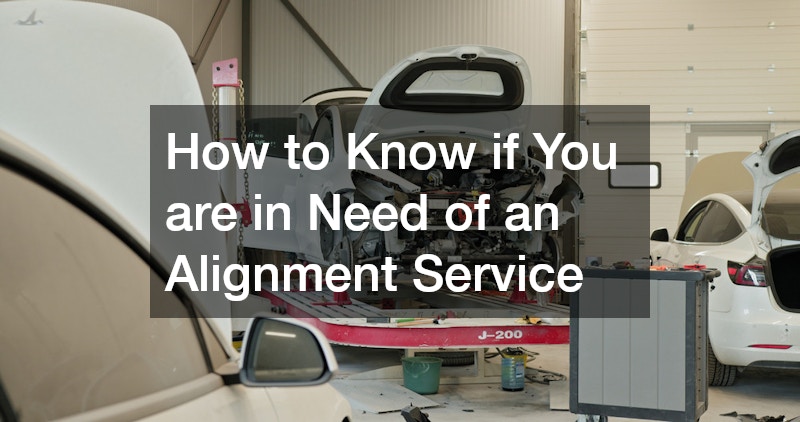
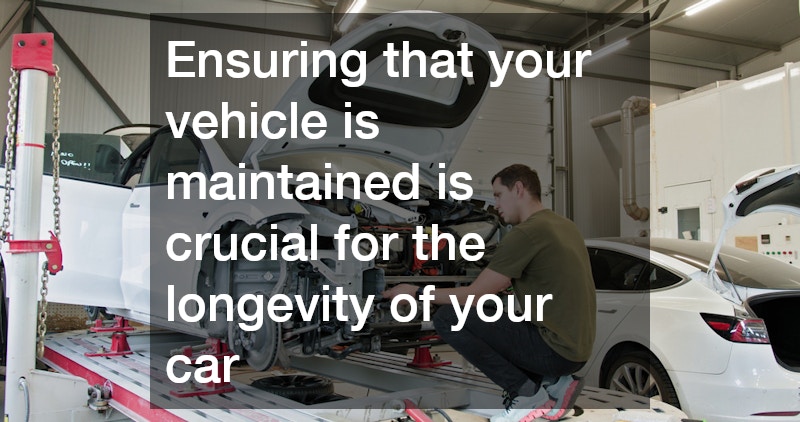
Ensuring that your vehicle is properly maintained is crucial for both safety and the longevity of your car. One often overlooked aspect of vehicle maintenance is alignment. An alignment service is essential because it helps your vehicle drive straight and prevents uneven tire wear. But how can you tell when you actually need this service? This article will delve into the critical aspects of car alignment and how to recognize the signs that you may need an alignment service.
Understanding the Basics of Alignment Service
An alignment service involves adjusting the angles of the wheels to the manufacturer’s specifications. Proper alignment is important for your vehicle’s performance, handling, and safety. If the wheels are misaligned, it can lead to uneven tire wear, which in turn can make driving dangerous. Driving on tires that are unevenly worn can adversely affect the vehicle’s suspension and steering. Therefore, understanding the alignment process can help you recognize early signs of misalignment.
The most common angles checked during an alignment service are camber, caster, and toe. These angles determine how your tires position themselves on the road, and improper alignment can make your car pull to one side. It’s important to regularly have your alignment checked to ensure these angles are correct. Many people might not realize that even minor collisions or driving over a pothole can affect alignment. Being knowledgeable about your vehicle’s alignment can prevent costly repairs down the road.
Alignment is not just about the tires; it is also important for maintaining the suspension system. A misaligned vehicle will require more energy to travel in a straight line, leading to reduced fuel efficiency. Regular alignment checks can help maintain optimal fuel usage and save money in the long term. In addition, proper alignment reduces stress on the vehicle’s suspension components. This proactive approach extends the lifespan of one of the most critical systems in your vehicle.
Identifying the Signs You Need an Alignment
There are several telltale signs that can indicate your vehicle is in need of an alignment service. A common sign is if your car pulls or veers to one side when driving on a straight, flat road. This pulling can signify that the wheels are not aligned properly, which can also lead to uneven tire wear. Another warning sign can be the steering wheel vibrating or not centering properly when driving straight. These are indications that an alignment service is overdue.
Uneven tire wear is another major indicator of alignment issues. By inspecting your tires, you can often detect alignment problems early. Uneven wear patterns can vary depending on whether the misalignment affects the camber, caster, or toe angles. Tires should ideally wear evenly across the tread, and any deviation from this could necessitate an alignment service. Maintaining proper alignment helps to maximize the life of your tires and contributes to cost savings over time.
Continuously adjusting the steering wheel to maintain a straight path is another sign of a need for alignment. The resistance you feel might be due to the improper alignment of the tires. This ongoing correction can lead to driving fatigue and potentially dangerous driving conditions. Addressing these issues promptly with an alignment service not only improves driving comfort but also ensures safety. Regular maintenance checks can preemptively catch alignment problems, saving you hassle and enhancing vehicle performance.
When to Consider Scheduling an Alignment Service
If you’ve noticed any signs of misalignment, it’s time to consider scheduling an alignment service. It’s generally wise to have your alignment checked once annually or every 6,000 miles, whichever comes first. However, factors like driving on rough terrains, recent impacts, or unusual tire wear patterns might necessitate more frequent checks. Proactivity in seeking alignment services supports smoother driving experiences and extends your vehicle’s health. A consultation with your mechanic can provide personalized recommendations based on your driving habits and vehicle condition.
Seasonal changes can affect driving conditions, so plan your alignment check-ups accordingly. Winter conditions can lead to potholes and rough driving surfaces, impacting alignment. Spring can be an excellent time to schedule service as an inspection and adjustment to your vehicle’s alignment. Apart from seasonal considerations, always keep track of your vehicle’s tire conditions. Regular tire rotations, checked together with alignments, contribute to even longer tire life.
Ultimately, proper alignment is about more than just tires; it maintains the overall integrity of your vehicle’s operational systems. Ignoring signs of misalignment can lead to a cascade of costly and potentially dangerous complications. Be proactive about your car maintenance schedule, and take the time to understand your alignment needs better. By appreciating the signs and benefits of an alignment service, car owners can ensure safer and smoother journeys. This attention to detail is invaluable for maintaining the trustworthiness and reliability of your vehicle on the road.